Achieve a Stunning Lawn with Artificial Grass Installation for Lush, Low-Maintenance Results
Artificial grass installation presents an attractive alternative to traditional lawns. It provides year-round greenery without the constant requirements of upkeep. The installation process requires meticulous preparation and implementation, ensuring a stable base for the synthetic turf. As environmental concerns grow, many are exploring this eco-friendly option. However, comprehending the installation steps and care needs is essential for success. What factors should one consider before making this decision?
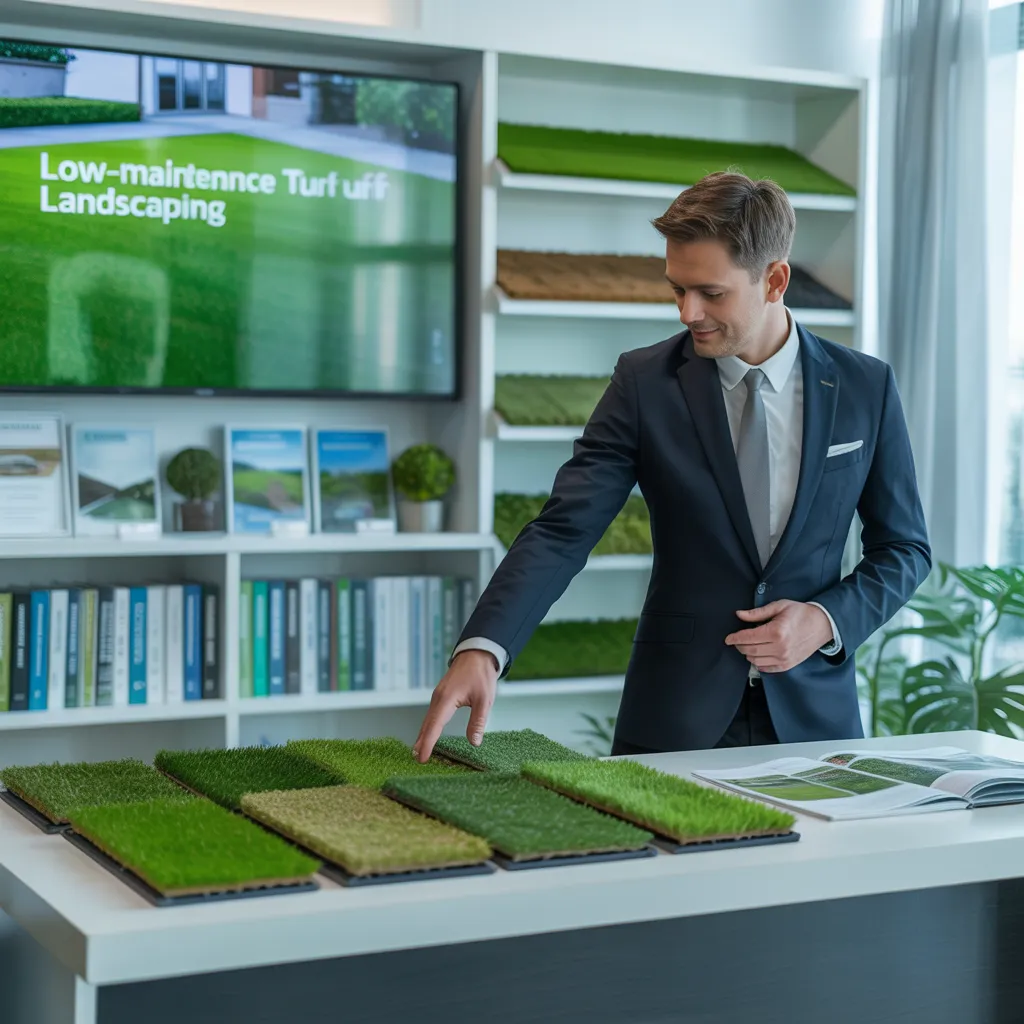
Why Favor Synthetic Turf Rather Than Natural Grass?
Many property owners increasingly opt for artificial grass over natural grass due to its many benefits. One of the main advantages is the substantial decrease in upkeep needs. Unlike natural grass, artificial turf does not need regular mowing, irrigation, or fertilizing, making it an perfect option for people with hectic schedules. Additionally, it remains green and vibrant year-round, not impacted by seasonal changes or water scarcity.
Artificial grass provides enhanced begin now durability. It can endure substantial pedestrian use, making it suitable for families with children and pets. Its resistance to pests removes the need for toxic chemical treatments, promoting a healthier environment.
Cost-effectiveness is another compelling reason. Although the initial investment may be higher, property owners lower costs over time due to reduced maintenance costs and water bills. Moreover, artificial grass aids in sustainability efforts by saving water resources and decreasing the carbon footprint associated with lawn care. Overall, the benefits make artificial grass an appealing alternative.
How to Set Up Artificial Grass
Installing artificial grass requires many essential steps that guarantee a successful transformation of outdoor spaces. First, the area must be marked and measured to ascertain precise fitting. Next, any existing grass or vegetation is removed, followed by excavating the soil to a depth of about three to four inches. A weed barrier is then installed to block future growth.
Following that, a foundation layer of decomposed granite or crushed stone is distributed uniformly, providing drainage and stability. This layer should be firmly compressed. Next, artificial grass rolls are positioned, verifying proper seam placement and alignment. The edges are secured with stakes or adhesive, and infill material, such as sand or rubber, is distributed to improve durability and replicate natural grass texture. Finally, the surface is swept to confirm an uniform finish and to help the fibers stand upright, completing the setup procedure successfully.
Necessary Tools and Materials for Setting up Artificial Grass
When installing artificial grass, having the right tools and materials is vital for obtaining a quality outcome. An essential tools list and a required supplies guide will direct the installation process effectively. Understanding these components can simplify the task and enhance the end product.
Critical Resources Compilation
To put in artificial grass correctly, a comprehensive selection of tools and supplies is crucial. Crucial tools include a utility knife for accurate cutting, a shovel for excavation, and a rake for leveling the base. A tamper is required to compact the soil, ensuring a stable foundation. Additionally, a measuring tape and chalk line help with correct layout and alignment. To secure the grass, a staple gun or landscape staples are vital. A broom is useful for spreading infill evenly, while gloves protect hands during installation. Finally, a seaming tool facilitates seamless edges. Together, these tools simplify the installation process, ensuring a professional-looking and durable artificial lawn.
Vital Equipment Description
Successful artificial grass installation requires a carefully selected collection of materials that deliver durability and appealing aesthetics. Key components include premium artificial grass, which is available in several styles and textures suitable for different landscapes. A reliable underlayment is needed for drainage and cushioning, often made of foam or rubber. Moreover, infill materials like sand or rubber granules help to stabilize the grass and boost its appearance. Adhesives or seam tape are vital for securing edges and seams, providing a seamless finish. Lastly, a proper weed barrier stops unwanted growth below the grass. With thoughtful material selection, homeowners can create a vibrant, low-maintenance lawn that resists the elements while offering an inviting outdoor environment.
Making Your Yard to Accommodate Synthetic Turf: A Complete Guide
Preparing a yard for synthetic turf commences by examining the soil conditions to confirm proper drainage and stability. Following this appraisal, it is crucial to clear away any existing vegetation to create a clean and uniform surface. These initial steps create the groundwork for a successful artificial grass installation.
Review soil state
Analyzing soil conditions is an important step in prepping a yard for synthetic turf. The quality of the soil impacts not only the installation process but also the resilience and performance of the artificial grass. First, a soil test should be conducted to determine pH levels, nutrient content, and drainage capabilities. Firm or poorly draining soil can result in issues with water accumulation and turf stability. Amending the soil with sand or gravel can improve drainage, while organic matter might enhance soil structure. In addition, checking the soil's depth and existing hardness permits proper adjustments, ensuring a solid foundation for the synthetic turf. By addressing these factors, homeowners can create an ideal environment for their new, low-maintenance lawn.
Remove standing foliage
Clearing existing vegetation constitutes an key step in preparing a yard for synthetic turf. This step entails removing grass, weeds, and any other plants that could obstruct the installation. Homeowners are advised to begin by using a sod cutter or shovel to take away the top layer of grass and roots. Next, it is wise to apply a non-selective herbicide to kill any lingering weeds and stop them from growing back. When the area is cleared, all debris and organic materials should be carefully removed to form a clean surface. This careful preparation guarantees that the synthetic turf can be installed evenly and securely, thereby enhancing the lawn's appearance and longevity. Proper vegetation clearance establishes the basis for a successful artificial grass installation.
Best Methods for Preserving Artificial Grass
Taking care of synthetic grass needs regular attention to ensure its durability and visual charm. By regularly brushing the grass, you keep the fibers vertical, which prevents matting and keeps a natural look. Furthermore, washing the surface with water eliminates dust, debris, and pet waste, helping create a cleaner environment. Examining the seams and edges for any damage or wear is vital; immediate repairs will stop further decline.
Using a air blower or a broom can efficiently clear leaves and other natural matter, preventing mold growth. For areas facing high foot traffic, frequent infill replenishment may be necessary to maintain cushioning and stability. Moreover, evading harsh chemicals during cleaning is vital, as they can degrade the material over time. By adhering to these standard practices, homeowners can guarantee their artificial grass remains vibrant and functional for years to come.
Artistic Design Suggestions for a Outstanding Artificial Grass Exterior
When evaluating how to transform an outdoor space, incorporating artificial grass can enhance the overall aesthetic and functionality of the landscape. Designers often recommend mixing artificial grass with natural elements such as flower beds, stone pathways, or decorative boulders to create a bold distinction. For instance, curving pathways lined with vibrant flowers can lead to a cozy seating area, seamlessly blending artificial grass into the environment.
Moreover, layering multiple textures can lift the presentation; pairing smooth artificial grass with textured timber or stone accents creates visual interest. Installing artificial grass around pools or patios brings forth a luxurious feel while providing a soft surface for relaxation. Constructing specific areas, such as a children's play area or a tranquil meditation spot, grants for versatile use of space. Ultimately, the strategic placement of artificial grass encourages an welcoming ambiance, making outdoor spaces both lovely and serviceable.
Frequently Requested Questions
How Long Does Artificial Grass Last Before Requiring Replacement?
Artificial grass generally persists between 15 to 25 years, contingent on factors such as construction, traffic, and maintenance. Regular attention can increase its lifespan, delivering a resilient and pleasing surface for multiple outdoor activities.
Is Artificial Grass Safe for Pets and Children?
Artificial grass is generally safe for children and animals, as it's built with non-toxic materials. It delivers a soft surface, lowering danger, and is simple to maintain, making it a smart selection for families.
Can Artificial Grass Be Placed on Concrete Surfaces?
Yes, artificial grass can be installed on concrete areas. Thorough preparation is crucial, including cleaning and guaranteeing a flat, solid base. This method offers a comfortable and aesthetically attractive area for multiple activities.
What Environmental Repercussions Does Artificial Grass Result in?
Artificial grass may have combined environmental impacts. While it decreases water consumption and eliminates harmful chemicals, it contributes to plastic waste and can raise surface temperatures. Appropriate waste management and material recovery are essential for reducing environmental damage.
What Influence Does Fake Grass Have on Real Estate Value?
Artificial grass can maximize property value by establishing an captivating, worry-free landscape. Prospective purchasers often prize the design appeal and reduced upkeep, establishing properties with artificial turf more appealing in demanding real estate markets.